Sunday 28th November 2021

1st Sunday of Advent

Reading: Luke 21:25-36

Reflection

As we do every year we reach the first Sunday of Advent and I want us to focus our thoughts on light this year. As we normally do, each week, we will light the candle on the Advent wreath each one symbolising a different aspect of the season. Depending on the circumstances light can bring a feeling of thinking forward with excitement of what may lie ahead but the thought of light can also cause us some concern and worry. Over the next few weeks we will see more and more lights appearing in people’s houses as they are decorated with Christmas trees and gardens with all sort of Christmas ornaments. These are lights that make us smile and feel happy. But what about the stress when you get the tree and the baubles and tinsel out ready to bring some Christmas cheer and the first thing you do is plug in the lights and nothing. Zilch. Darkness. You have this continuous line of hundreds of bulbs and each year it seems as though a different one decides that it’s its turn not to work this year. Every one of them gets tested. Somebody explain this to me please. Why is the faulty one always the last bulb that you check? The other annual worry over lights is when your car goes in for its MOT test. You get that call your car is fine but it failed on one small thing this or that bulb is not working and will need replaced. Now we know the importance of lights working in the car so explain this to me. Why do car bulbs always seem to wait until MOT time before they fail? Oh the joy of lights. Oh the stress of lights not working. The reading from Luke’s Gospel can be quite challenging.

Look at the way Christ seems to be describing the end of the world. Listen to his words as they tell us where the signs will be seen. The first things mentioned are the things that we know as the great lights of the universe. ‘There will be signs in the sun, the moon, and the stars’. Before going on to mention with some vivid imagery how the nations on earth will be in dismay, perplexed by the roaring of the sea and the waves. It will be in those lights that change will happen first. Then those roaring seas and the powers of the heavens will be shaken. Imagine the special effects needed to portray that scene on the silver screen.

Many of you will have heard over the years the scene painted with great enthusiasm from many pulpits.

I want to look upon it this year as a scene that invites us to see the light of God even when it looks dark and stormy all around us, for he is there in the midst, watching over and guiding us. I want to tell you a story I read the other day. It is about a wealthy man and his son whose love for fine art had them adding fine art treasures to their collection. Tragically war fell on the world and the son was called up, he died trying to save one of his colleagues. One Christmas morning the father was greeted at his door by a soldier. “I was a friend of your son. I was the one he was rescuing when he died.” The soldier said, “I’m an artist and I want to give you this.” It was a portrait of the old man’s son. Not a piece of genius, but in striking detail, it did feature the young man’s face and seemed to capture his personality. When the old man died his will stated all of the art works would be auctioned. The auction began with a painting that was not on any museum’s list, the painting of the man’s son. The auctioneer asked for an opening bid.

The room was silent. From the back of the room someone callously called out, “Who cares about that painting? It’s just a picture of his son. Let’s forget it and go on to the important paintings.” “No, we have to sell this one first. Now, who will take the son?” Finally, a friend of the old man spoke. “I knew the boy, I will bid.” “Will anyone go higher?” Silence then “Going once. Going twice. Gone.” Once more the room filled with anticipation. “Now we can get on with it!” Then there was stunned disbelief. The auction was over. “What do you mean it’s over? What about all of these paintings? The auctioneer explained, “It’s very simple. According to the will of the father, whoever takes the son… gets it all.” Sadly, it can also be true of those metaphorically gathered in the world’s great art sale auction room of Advent. Forget all this talk about waiting and anticipating. Stop all your talk about a Saviour and the light of the world. Let’s move on with the important things that need to be dealt with. In church this morning our opening hymn spells out the real important things that need to be dealt with. We are longing for light. We are longing for truth. We are longing for peace. We are longing for hope. Many are hungry and many still thirst. Many are homeless and many are cold. Together we the church become the living stones striving to make God’s Kingdom come. Christ be our light. Shine through the darkness. That is the truth of the Advent light. Whoever takes the Son gets it all. Is that not the essence of the story of Christmas?
Sunday 21st November 2021

Reading: Acts 28:17-31

Reflection

How appropriate that as we end our journey through the book of the Acts of the Apostles after fourteen weeks we draw to a close as we celebrate the baptism of the latest member of the family of St Michael’s Church. How fitting also that our reader this morning is called Priscilla. When Paul visited Corinth he met a married couple called Aquila and Priscilla. They shared the same working profession as Paul being tentmakers. They travelled with Paul to Ephesus and he asked the church in Rome to welcome the couple describing them as fellow workers in Christ Jesus. Stating that they risked their lives for him. This final chapter follows on from the shipwrecking on Malta. Paul is first treated with kindness by the people of the island as he joined with them in everyday tasks such as gathering wood for the fire. One day he mistakenly picked up a snake which bit him. The people decided Paul must have been really bad because the gods tried to drown him then when that didn’t work they sent a poisonous snake to bite him. Paul was unharmed by the bite so the people changed again and now thought of him as a god. Oh how quickly we ebb and flow as we encounter things that take us out of our comfort zones. Paul had been in this position before when a crowd turned from worshipping him to plotting to stone him. Jesus faced the very same torturous about turn. From alleluia to crucify, from the crown of lordship to a crown of thorns all in a matter of hours and days. After three months in Malta the final journey lands Paul in Rome where we pick up the story and conclude our own journey with the Apostles and the early church people. As we have discovered at every city along the way Paul seeks out the local Jews. He is not in a position to go and visit them in the synagogue but is free to invite them to visit him. He had spent his time preaching Christ and not committing any crime against those in Jerusalem.

The irony behind this is Paul’s imprisonment occurred in part because of his hope of Israel. He feared bad reports had filtered through but all he had ever done was preach Christ to Jew and Gentile alike. The ill will between Jews and Christians was not founded on anything Paul had done. They concerned a new sect who some ten years earlier had caused the emperor to expel Jews from Rome, and of course among that number was Aquila and Priscilla with whom Paul had become a close friend. They had also heard many good things about this Christian Church and wanted to hear more from Paul. As I mentioned a couple of weeks ago. Paul knows those to whom he addresses so just as he did when talking to the Greeks from a place where they were comfortable, quoting from one of their own well-known poets before taking them out of their comfort zone as he introduced an explanation of their unknown god. Paul begins by talking with the Jews from their own scriptures, their comfort zone. After all they were his own scriptures too and he knew them well. He spoke of the law of Moses. He spoke about the prophets of God. He took them back out of that comfort zone as he told them Jesus was the Messiah of Israel. And whilst some believed, many did not. I hope you have enjoyed our journey looking at the early church. Some would say the closing is a bit of an anti-climax. I’m not so convinced. Of the eighteen speeches delivered throughout the book, three of them are in Rome. The saying, ‘All roads lead to Rome’ is not simply a figure of speech because at this time it was true. Rome was the very heartbeat of trade and commerce, all the world’s leaders and thinkers wanted to be associated with the city. The power it had over the world of the time cannot be underestimated. Political and military power flowed from its walls across many lands. Paul and those of the early church knew that if Christianity was to gather a strong foothold it had to find its way in this city. The capital of the world in its day. In humility and bound in chains, ‘a prisoner for the Lord Jesus Christ.’ Paul brings the message of Christ and this new faith to that very heartbeat. Some scholars reckon Paul was released later and expanded his journeys. We are given no account of any of that. The book does not give an account of any further trials or Paul’s eventual fate. There is this almost frozen moment in time with Paul welcoming those who wanted to know more of Jesus. Anti-climax? I think not. Christianity had made the journey. It had travelled, sometimes not very smoothly, but travelled all the same, from Jerusalem to Rome. The transition had taken place, people were taking note that this was a faith that was open to all people. I kind of like the way it closes after twenty-eight chapters of some really intriguing writing. I repeat that closing verse. ‘Boldly and without hindrance he preached the kingdom of God and taught about the Lord Jesus Christ.’  I have a sense of it being left in such a way that those who follow on, ourselves included, are given this opportunity to write our stories into the story of God journeying with his people, the church on earth, through his only son who is Christ Jesus the Lord. Surely a privilege such as that can never be an anti-climax. 

Sunday 14th November 2021

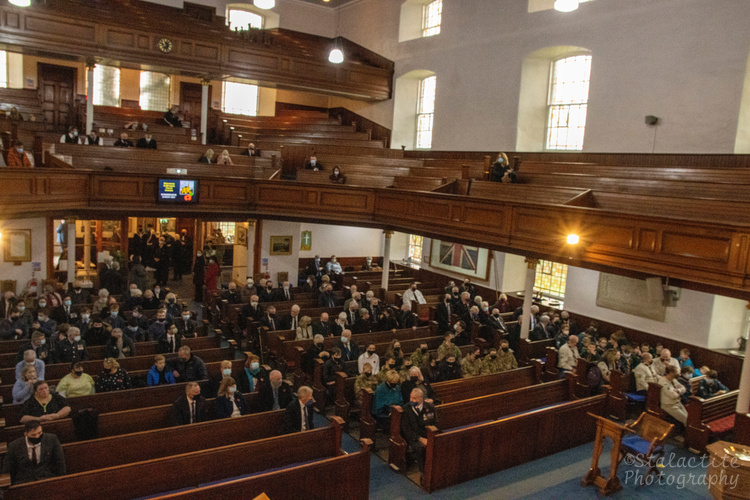
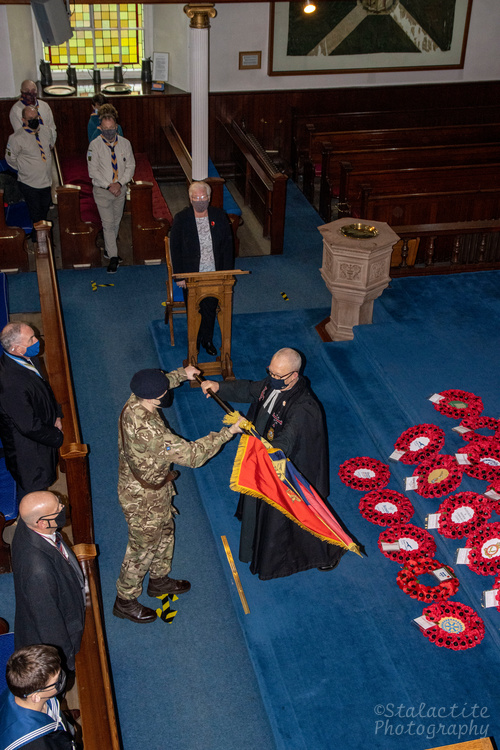
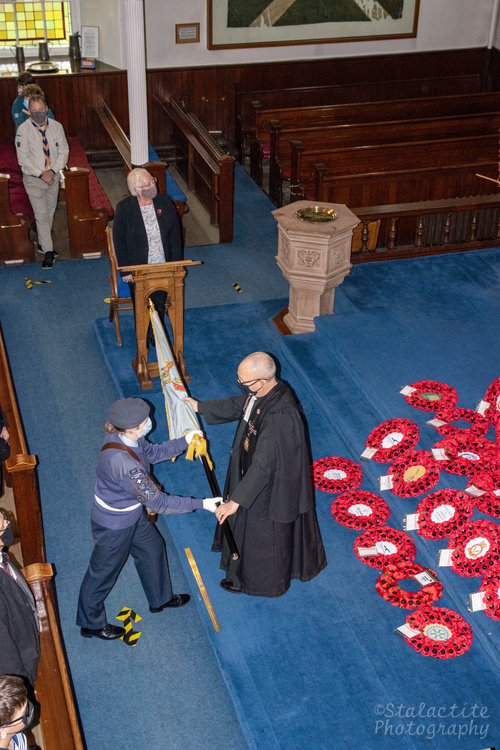
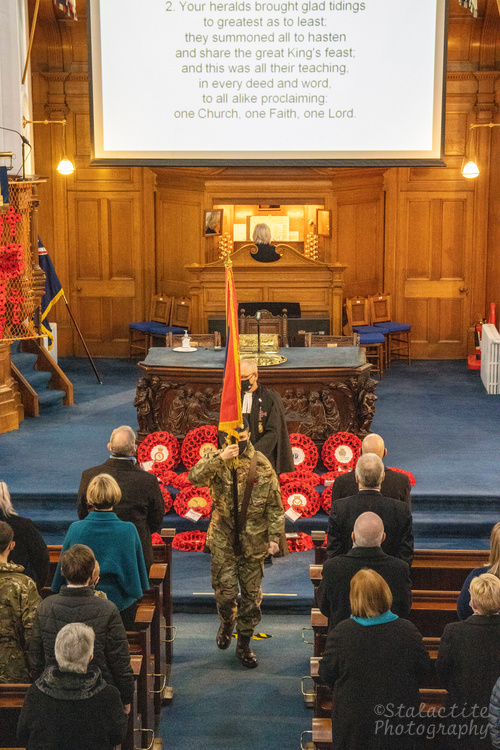
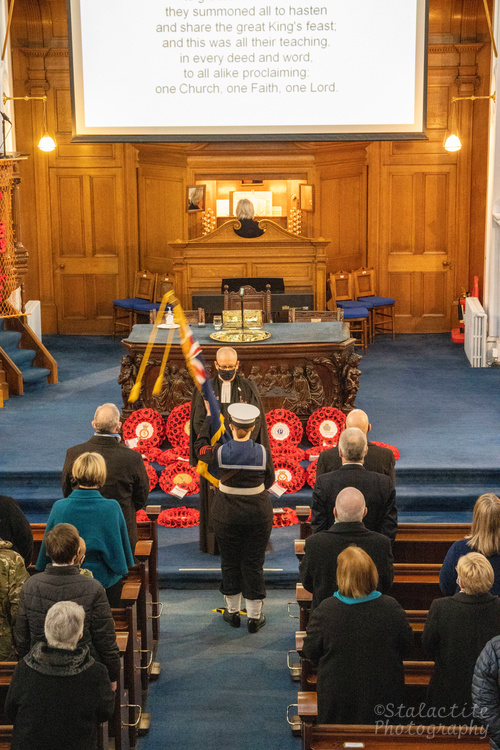
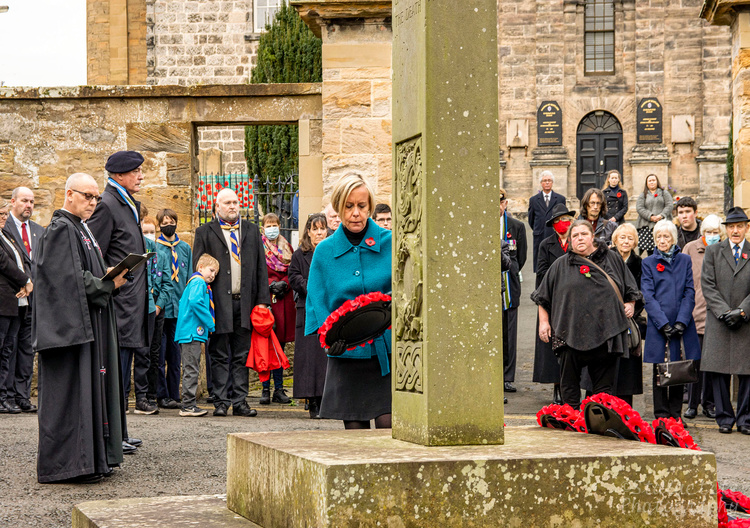
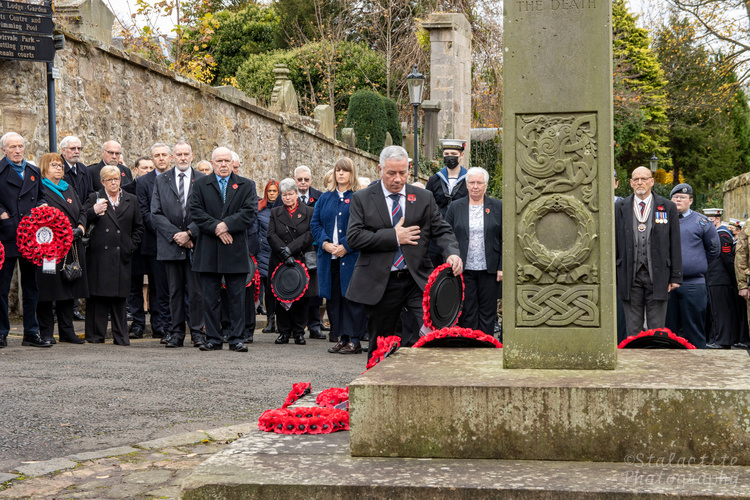
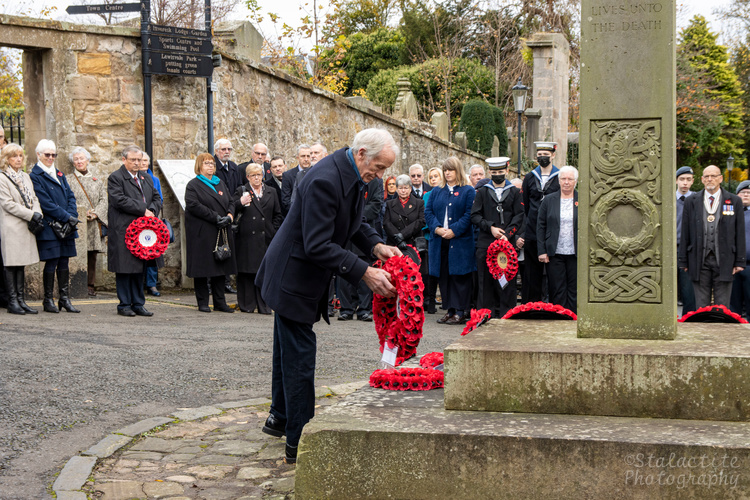
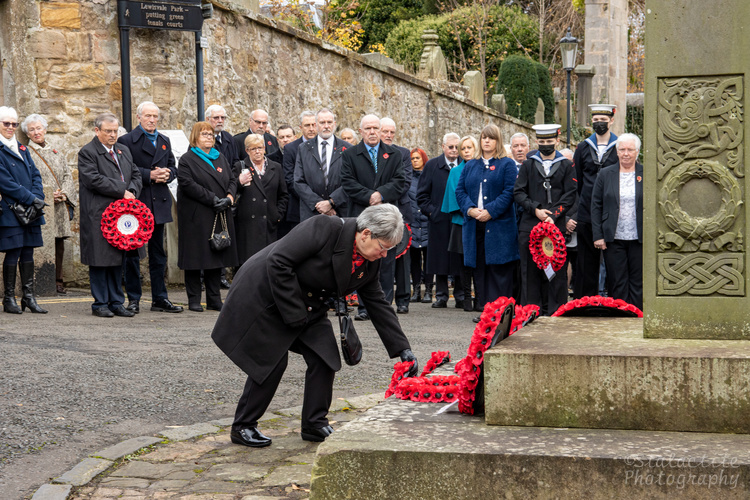
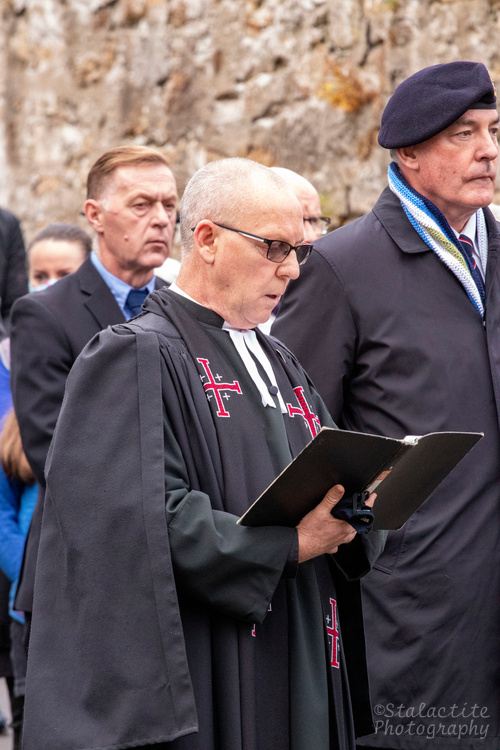
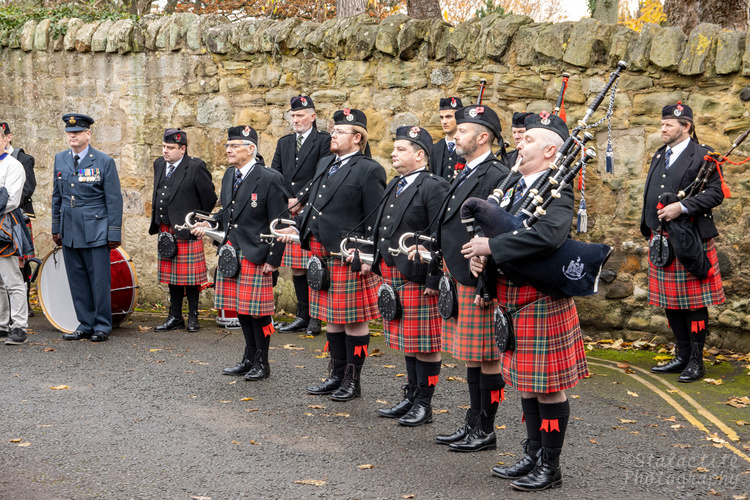
Today we remember lives sacrificed in the service of our Country, and those traumatised and injured in conflict. Let us remember before God those who have died for their country in war; those whom we knew, and whose memory we treasure; and all who have lived and died in the service of mankind.

Readings Psalm 47 & John 15:9-17

Reflection – Remembering

All of our lives we learn the discipline of remembering. From those very earliest of moments there are things we need to remember for life to continue. Sometimes we do this remembering thing in a subconscious way. When we first learn to walk or talk we then need to remember these gifts so that we can continue with them and expand on them. That does not mean we get up each morning and think, ‘How did I do that walking thing I did yesterday?’ It becomes part of everyday life and it becomes what we do. In Church we remember. Some of you may remember as a young person those early prayers. ‘Dear God bless mummy and daddy, my brother and sister and my granny who always gives me sweets. Dear God keep them and me safe until the morning comes. Amen.’ If you attend church in a regular fashion you will have learned the Lord’s Prayer it becomes something that stays with you for the rest of your life.

Never be afraid if you feel the need to pray and you can’t find the words. Pray the Lord’s Prayer it says it all in there. In church when we celebrate Holy Communion or the Eucharist or the Lord’s Supper we are remembering all the things that Jesus has done and continues to do for us. It is in itself an act of remembrance. For we remember Christ until he comes again. In life if you learn to drive you must remember the highway code you must remember the sequence of look, signal, manoeuvre. If you are a cook you will need to remember recipes, you will need to remember the order to follow for a successful meal. If you are a sports person or play any games, you need to remember the rules. Now if you stick to them or not is another matter but even if you decide you are going to be a cheat you need to remember the rules so that you know when you are breaking them. This remembering thing can be a highly charged evocative, emotional time in our lives. It can be a moment filled with either joy or sadness. You can set aside a particular time and place such as here this morning or you can be caught completely unawares. It can involve any or all of our senses. Something you see or hear can cause you to say, ‘Oh that reminds me of the time when….’ A smell or a taste and you remember someone dear to you. To touch something and that feeling stirs within you something or someone from the past with whom you share life’s journey.

However, whenever this remembrance occurs it can always be an opportunity to give thanks. Many of you here this morning will know that I visited the WWI Battlefields in 2018. I was so moved by the whole experience of my visit that I got a tattoo that stays with me wherever I go. My act of remembrance for those who gave their today that I may have a tomorrow quite literally never leaves me. Much in the same way, I wear a cross on a chain around my neck and my remembering of who I am and whom I serve is never far from the fore of my mind. Each and every day I remember I belong to the one who gave his all, who opened up for all people the access gate to God, that many may go free. The readings this morning call on us to remember. In verse four of the Psalm the reference is made to an inheritance. An inheritance is something passed on. It is something that someone uses to let you know they are remembering you, even though they may be gone. It is something that someone uses to say to you, ‘you are not alone, I have not forgotten nor abandoned you.’ It is something that someone uses to give of themselves for others. It is something that you can use as an act of remembrance for those who have departed this earthly life. In John’s Gospel Jesus tells us to remember love. Remember to love and remember to allow yourself to be loved. As we are the branches of the vine he will always be nearby. There will never be a place that we go to that he will not be there with us and yes even into those dark and horrible places of war and conflict God does not abandon us but remains ever close.

May the grace of our Lord Jesus Christ be with us all.

We are met this day to glorify God whose power sustains the world;

to remember with thanksgiving those who lived and died in the service of our country;

and to ask for God’s help and blessing,

that we may be worthy of their sacrifice each day of our life.

Remembrance 2021

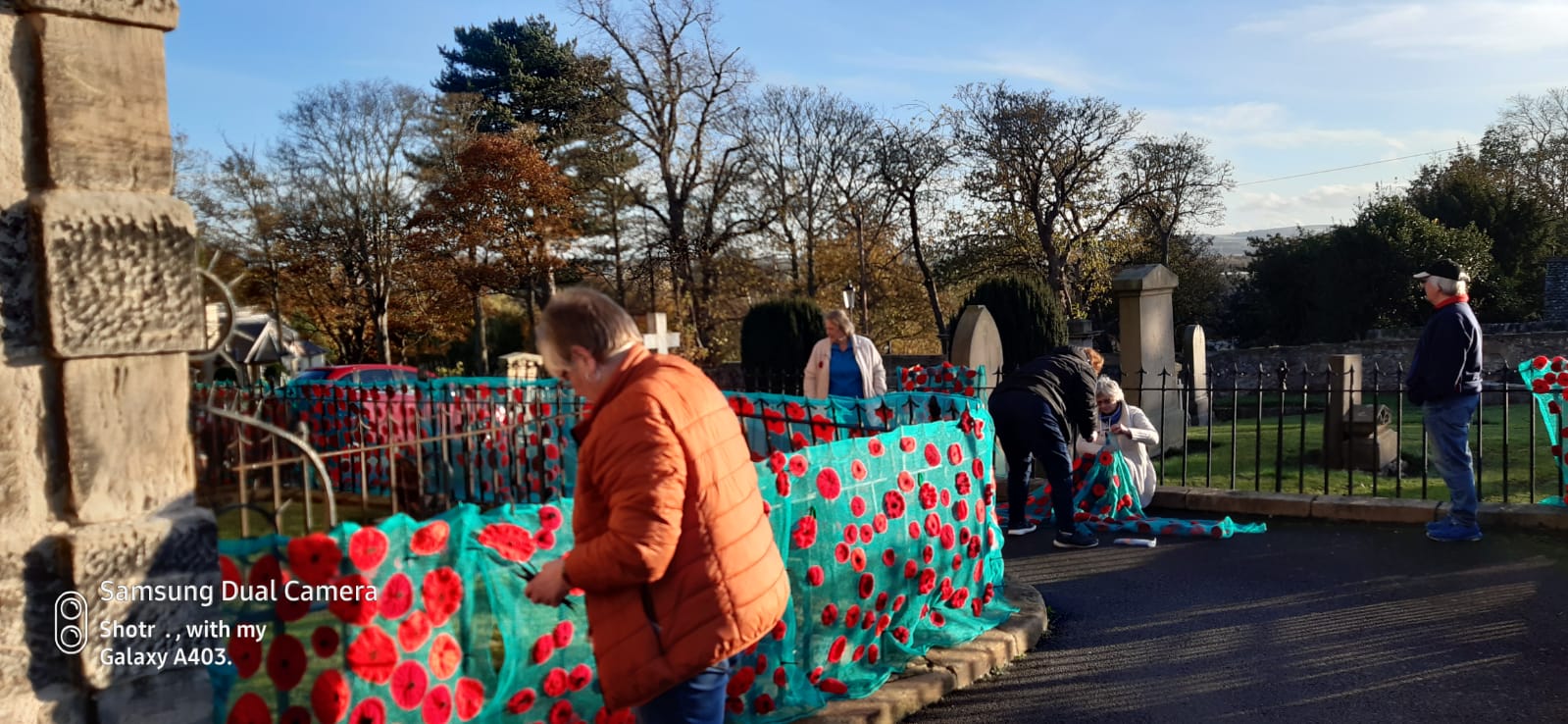
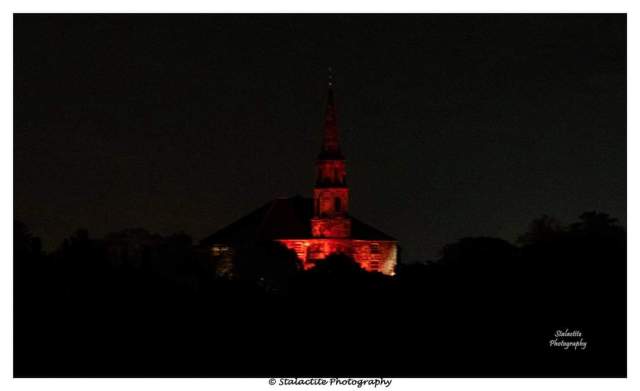
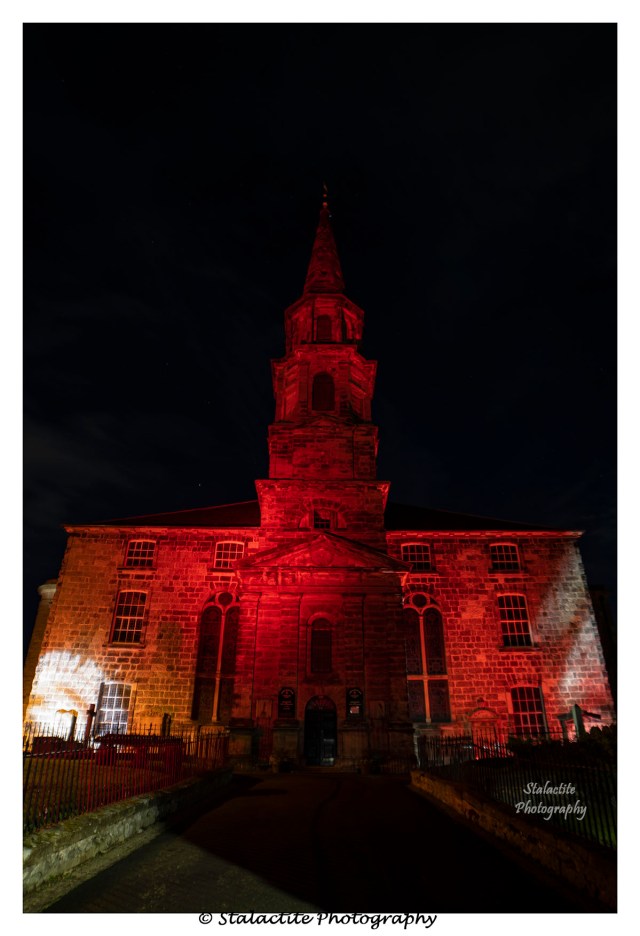
In support of the Poppy Scotland 2021 Appeal and in celebration of 100 years of Poppy Scotland, the church has been illuminated red.

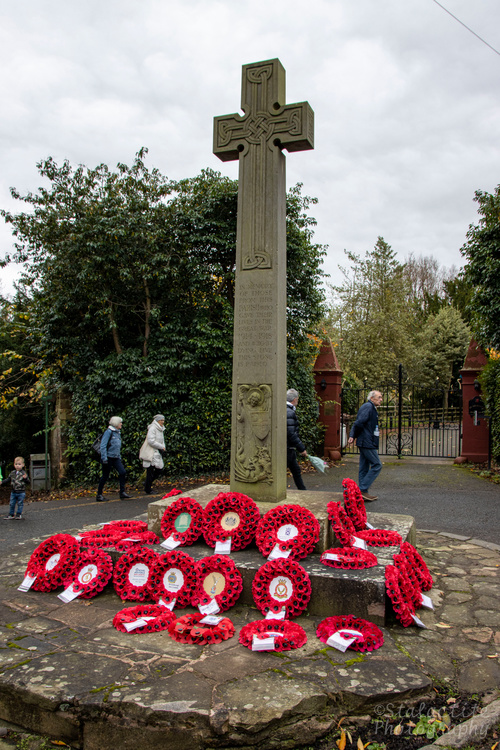
The poppy Group have been busy sewing poppies for this years Remembrance Service, on Sunday 14th November, and have adorned the outside of the Church to welcome you all back.

Remembrance Service

Sunday 7th November 2021

Reading: Acts 17:22-32

Reflection

This morning we catch up with Paul during his stay in Athens. He was indeed a very gifted speaker and of course a great preacher of the word. Paul knew his audience before he addressed them. In his speech this morning we have an excellent example of how he does this. In chapter 13 we see how he preached to Jews and God fearers of the one true God in the Synagogue at Pisidian Antioch. Here he is before a completely different set of people as he preaches to the Greeks who worshipped many false gods. Paul opens by telling them of the one true God and ends by telling them it will be this God who will judge all things. What he does in his speech is a masterclass in being relevant to your listening audience. Acknowledging how very religious they are he then makes no bones about it. Religion does not save anyone. Rituals are not the way to salvation. Millions of people follow a variety of religions although the argument may be made that they are religious this will not save them. How often have we heard or said

something along these lines? ‘Oh he loves his footie, he’s there every week, religiously.’ Or ‘Every Monday they meet at the same café for a cup of coffee, they’ve done so religiously for years.’ Paul is quite clearly saying religion is something different from faith. In fact, the original word Paul uses here actually means ‘superstitious’. Sacrifices are being offered to demons not to God. These Athenian men were well known for their high wisdom on many matters but they did not know God. The key that Paul uses to open up this speech lies in his finding an altar with the inscription ‘To an unknown god’. Could it be that amongst these Greek men there were some who believed there was this other god that they had not reached nor understood. Paul seizes the opportunity by telling them, ‘let me tell you about this unknown god of yours’.

His method of knowing the audience and his style of preaching the word combine completely. The Greeks have some knowledge of religion so that is where Paul begins. There is a lesson for all of us here when it comes to interfaith dialogue as well as speaking with people of no faith tradition. He does not pour contempt upon them, nor sneer at their ways, he was not in the business of mocking people, his sole intention was to build people up and lead them into faith in Christ. He uses their own poet as an illustration. Now he has their attention, they know that he knows something of their culture and ways. This unknown god of theirs is the creator God of all things and as such is Lord over all things. Paul uses their sacrificial rituals to point out that this unknown god does not need such things for it is he who feed us, not the other way round. God is the one who gives us all things, even our very life and our breath. Without this God we would not be in existence. As we cannot live without breathing so too we cannot live without God.

God does not draw differences amongst people. In his sight we are all one. Once again Paul is using his knowledge of the people to whom he speaks. Referring to slave and free. To the civilized Greeks and the uncivilized peoples around them, who were despised by the Greeks. Paul says, ‘This unknown God loves all of them equally without favour or end’. Paul recognises this unknown god may be the Greeks searching for God and offers them hope that God is not far from them. Wherever we go God is there also. Be it in a temple or a desert. Be it in a palace or a rundown shack. God is there waiting for his people to reach out.

As he closes he speaks of Jesus and the resurrection. As it does even today, this split the people. The Greeks were divided on such matters believing the souls were immortal and the body simply turned to dust. There is no record written in the New Testament of a church being established in Athens. Do we count this as a failure in Paul’s mission or do we accept that there will be those who will not believe. In some ways I suppose this displays something about the Greeks of that day and the times in which we live today. There are many people interested in what they might term religion, in seeking the truth, with no intention of doing anything when finding it. Preferring to talk about such matters rather than to believe them.

2nd Reading Acts 23:23-35

Reflection

In the chapters between our two readings we get to know about Paul’s missionary journey. We have other letters that go into greater detail so for now let’s just note were Paul travels to before picking up his story again at our second reading. Corinth, Ephesus, Caesarea and Jerusalem. There was much preaching took place and there were many trials along the way. There are accounts of riots and imprisonments. Of death threats and beatings. We are introduced to new people along the way. I encourage you to read these chapters at home. For now, we re-join Paul at a most difficult time for him. His life is under threat and the powers that be get him away from it. Remember a couple of weeks ago. Paul and Silas were wrongly beaten because nobody asked if they were Roman citizens. When the truth became clear the authorities had to make a very public apology. The commander here may, or may not, have known about this earlier episode but he is not taking any chances that he ends up on the wrong side of things. 470 soldiers are given the responsibility of making sure Paul arrives before Felix the Roman governor in one-piece. But as we have discovered before not everything is as it seems on the surface. In his letter the commander states that along with his troops he rescued Paul. Not entirely true. He had given an order that Paul should be stretched out for a flogging and it was at this point he learned Paul was a Roman citizen. The overnight journey from Antipatris to Jerusalem, was about thirty-five miles, quite a stretch for the foot soldiers. It reminds me of Dale when he was young. If you ever said we were going to walk somewhere all you ever heard from him along the entire journey was, ‘this is a pure strut man.’ What we witness through the behaviour of the governor is the urgency of people trying to pass the buck of responsibility when dealing with Paul. So many similarities in behaviour when dealing with Jesus as with his followers. The authorities, it would appear, had no great appetite for the truth and only stick by the rules or the laws as and when it suited their own private agendas. When Felix the governor read the charges he decided to do nothing. Next week is our Remembrance service so we will step back from Acts then pick it up again the following week when we will look at the closing verses of the book. Suffice to say Paul’s trial before Felix does not go completely in his favour and he was kept in jail for a further two years. There were other charges and accusations made against him as the story unfolds but we will resume once Paul has arrived in Rome.

Until then may we know and stay close by the one true God who stays close by us every step along the way.

Sunday 31st October 2021

Psalm 3

Lord, how many are my foes!

How many rise up against me!
Many are saying of me, ‘God will not deliver him.’[b]

But you, Lord, are a shield around me,
my glory, the One who lifts my head high.
I call out to the Lord, and he answers me from his holy mountain.

I lie down and sleep;
I wake again, because the Lord sustains me.
I will not fear though tens of thousands assail me on every side.

Arise, Lord!
Deliver me, my God!
Strike all my enemies on the jaw; break the teeth of the wicked.

From the Lord comes deliverance.
May your blessing be on your people.

 Romans 5

Peace and hope

Therefore, since we have been justified through faith, we have peace with God through our Lord Jesus Christ, through whom we have gained access by faith into this grace in which we now stand. And we boast in the hope of the glory of God. Not only so, but we also glory in our sufferings, because we know that suffering produces perseverance; perseverance, character; and character, hope. And hope does not put us to shame, because God’s love has been poured out into our hearts through the Holy Spirit, who has been given to us.

You see, at just the right time, when we were still powerless, Christ died for the ungodly. Very rarely will anyone die for a righteous person, though for a good person someone might possibly dare to die. But God demonstrates his own love for us in this: while we were still sinners, Christ died for us.

Since we have now been justified by his blood, how much more shall we be saved from God’s wrath through him! For if, while we were God’s enemies, we were reconciled to him through the death of his Son, how much more, having been reconciled, shall we be saved through his life! Not only is this so, but we also boast in God through our Lord Jesus Christ, through whom we have now received reconciliation

 WHAT IS HOPE 

PS. 3 1-8  Romans 5 1-11

Of all the people alive today, Christians are the only one who have true hope.

There is nothing as terrible as a feeling of hopelessness in any particular situation but the good news is that if you are a believer there is hope for us in every situation irrespective of what the circumstances are. And the reason is because we have Christ who is our hope.  There are three powerful forces in the kingdom of God according to 1 Cor 13:13. And now abideth Faith, hope and love but the greatest of this is love. There must be a reason why God has put hope in the midst of faith and love. There are a lot of teachings on faith and love, but one rarely hears teaching on hope but hope is one of the three powerful forces in the God’s kingdom. God does not waste words and I believe that for our faith and love to work, we have to have hope.

Hebrews 11:1 ‘Faith is the substance of things hoped for and the evidence of things not seen. This means that you have to have hope that something will happen before your faith can work. Someone once said ‘what oxygen is to the lungs is what hope is to life’. If one is deprived of oxygen for a few minutes the person dies or at least becomes brain dead and in the same way, if we give up hope, life goes downhill.

 As a believer if you are able to keep your hope alive, it doesn’t matter what our situation is, we will always come out victorious.

That is why I believe that we will have victory in that marital challenge or financial situation or health issue we may be are going through right now in the name of Jesus.

WHAT IS HOPE?
It means to cherish a desire with anticipation. It means to desire with expectation of obtainment. That you just know that it is going to happen.

 To expect with confidence. Hope is generally used like maybe something will happen or it might not. That is a wrong translation of hope. It is a living force that causes a believer to press on in faith despite the prevailing circumstances of life. It enables you to keep pressing on till you get your desired result. Hope means believing when things looks hopeless, or it is no virtue at all.

  It is only when everything is hopeless that hope begins to be strength.

That is why in Romans 4:18 ‘Against all hope, Abraham in hope believed and so became the father of many nations, just as it had been said to him, “So shall your offspring be.”

NLT ‘Even when there was no reason for hope, Abraham kept hoping–believing that he would become the father of many nations.

 If you can only keep your hope alive, you will be victorious in Jesus name.  

There are no hopeless situations; there are only people who have grown hopeless about them.

A number of years ago researchers performed an experiment to see the effect hope has on those undergoing hardship. 

Two sets of laboratory rats were placed in separate tubs of water. The researchers left one set in the water and found that within an hour they had all drowned. The other rats were periodically lifted out of the water and then returned.

When that happened, the second set of rats swam for over 24 hours. Why? Not because they were given a rest, but because they suddenly had hope!

Those animals somehow hoped that if they could stay afloat just a little longer, someone would reach down and rescue them.

If hope holds such power for irrational rats, how much more should hope affect our lives.

That is why whatever difficulty you may be facing in life nothing can ever be resolved without hope first.

 Nothing ever gets done in life without the force of hope.

 And until hope is in place, faith does not deliver.

WHY DO WE HAVE HOPE

A.   Because we serve a God of hope who cannot lie.

Rom 15:13 ‘Now may the God of hope fill you with all joy and peace in believing, that you may abound in hope by the power of the Holy Spirit’.

B. Because of Jesus who is our hope and His resurrection. 1 Tim 1:1 ‘Paul, an apostle of Jesus Christ, by the commandment of God our Saviour and the Lord Jesus Christ, our hope.

The fact that Jesus Christ resurrected gives us hope that we too will resurrect and that there is no situation, however dead it seems that cannot be resurrected by the power of God.

You never get disappointed of feel ashamed if we keep our hopes alive.

Romans 5:5 ‘Hope does not disappoint or make ashamed.

You never in the finally analysis feel ashamed or disappointed if you hold onto to hope.

That is why we never throw in the towel or give up.

There is no situation we are going through that someone else has not gone through and emerged victorious.

There is never a closed door with God.


SCRIPTURES ON HOPE

Romans 15:4 ‘For whatever things were written before were written for our learning, that we through the patience and comfort of the Scriptures might have hope.

This means that God gave us the scriptures so that we can learn from it and be comforted that if He did it for the people in the bible, we can have hope that He will do it for us.

Bible is a book of hope.

That is why we have to read it regularly.

Psalm 33:18 ‘Behold, the eye of the LORD is upon them that fear him, upon them that hope in his mercy.

If we fear God and put our hope in Him, God’s eye is upon you.

 Psalm 42:5 ‘Why art thou cast down, O my soul? and why art thou disquieted in me? hope thou in God: for I shall yet praise him for the help of his countenance.

FOR US TO KEEP OUR HOPE ALIVE

 Mark 9:23 ‘To Him that believes, all things are possible to him that believes.

Irrespective of the situation around you, keep the right perspective. Someone might say what if I keep my hope up and nothing happens, what if something happens?

 God is your side and He is a God of restoration and He will restore all that you have lost in the name of Jesus.

Refuse to throw in the towel.

When David was going to fight with Goliath, he remembered past victories. He said the same God that delivered him from the hand of the lion and bear will deliver him from the hand of the philistine.

What the enemy wants is for us to deny the Lord in the midst of our challenges and leave the faith. Thousands of people have done that before.

May any of us never face challenges that will take us out of Christ in Jesus name.


CONCLUSION

Hope is a very powerful virtue. Never give up hope on that situation.

God is able to make all things possible but He needs our cooperation and He needs us not to give up hope.!

East Lothian Foodbank – Christmas Appeal

Jingle Bag Shopping List

Tinned Goods:

Chicken/Turkey
Potatoes
Carrot
Sweetcorn
Peas
Custard

Packet Goods:

Potatoes
Gravy
Bread Sauce
Stuffing
Custard

Christmas Treats:

Christmas Pudding
Mince Pies
Biscuits
Chocolates
Selection Packs

Please feel free to bring along one or two items each week and we will collect them all together before taking them to the Foodbank. Heavier parcels or larger items can be collected from your home.

Sunday 17th October 2021

Reading: Acts 16:16-34

Reflection

A lot has happened since last week’s reading and the Council at Jerusalem. The apostles and elders have written to the new churches in Antioch, Syria and Cilicia. The letter was hand delivered by Judas and Silas so that these new Christians would know how seriously the Jerusalem church was taking these matters.

The letter tells them they should not be overly burdened but asks they avoid the things that were mentioned last week. On receipt of the messengers and the reading of the letter they were glad and it was received as a letter of encouragement. The messengers spoke further words of encouragement and strengthened the new Christians before leaving to head home again they too were offered the blessing of peace. Paul and Barnabas remained in Antioch, continuing to teach and preach the word of the Lord.

The plans they had differed and they had a parting of the ways here. Barnabas set sail for Cyprus along with Mark. Paul set off with Silas continuing to teach through Syria and Cilicia before setting sail once more, arriving at the port of Neapolis before travelling to the city of Philippi. This is where we re-join their journey. As was his way Paul always looked for a major centre, trading routes or busy ports with people from every corner of their world passing through. It was a real clever strategy as his message of Jesus could spread with great haste from these bustling places, much quicker than if he himself tried to visit all the places represented at these major amalgams of the Roman and Greek worlds.

I mentioned last week how by this time there may have been more Gentile believers than Jewish. We notice here even that is surpassed in Philippi. We know Paul would always head for the synagogue and preached there first before moving out. He cannot do that here as there is not one in the city. The significance of this cannot be lost. According to Jewish law there had to be at least ten Jewish men living in a place before a Synagogue could be established there. So much is happening here it is hard to focus on the right things. People are still worshipping the one true God but not in a building, they are doing so down by the riverside. The first European who is named is a female by the name of Lydia. The second person is also a female but this time a demon possessed young girl. Not only are we moving away from a predominantly Jewish base to a Gentile one for the new church. Not only are we moving away from the word being heard within a building called a Synagogue but now it is heard down on the river bank. Not only are we hearing of men who are joining the swelling ranks and leading the new church forward but now the first two encounters within Europe are with females.

Paul & Silas in Prison recap

The word spreads ever further as it reaches Europe. They enter through the port of Neapolis before journeying to the city of Philippi. Our first European Christian and her household are baptised. Paul and Silas are thrown into a dark dungeon. They are not downtrodden but in the night they worship God in song and prayer. Suddenly their chains fall off and they are free. The prison guard is terrified by the light and then when darkness falls again he fears his prisoners are off. Knowing this will be the end of him he intends to take his own life. Paul reassures him that is not the case and the guard expresses his desire to know their God and to be saved. He and his household are baptised. The story does not quite end where our reading finished. Upon their release it became known that Paul and Silas were Roman citizens and therefore illegal according to Roman Law for one of their citizens to be beaten. If this news gets out to their superiors it will be the beaters who will be beaten themselves. Last week it was all about the rules and if you know them or not. Here is a reminder. Even when you do know the rules you also have to be sure you are administering them properly. The jailing of Paul and Silas was a very public affair showing how the magistrates were in control. Once the truth is out and the tables are turned Paul demands an equally public apology on their release from prison. Paul and Silas return to the house of Lydia were believers have gathered to see them on their way. We know from his letter to the Philippians that this small church continued to grow as many more came to faith in Christ.

Sunday 10th October 2021

Reading: Acts 15:1-21

Reflection

Everybody knows you need to have rules. If you are playing a board game you need rules. (remember them before computers) I’m sure we know somebody who the first thing they do when a board game comes out the box is grab the rules. Then an entire conversation enfolds as each person suggests their interpretations of the rules. Which ones really need to be followed and which ones can be bent a wee bit to allow a faster more fun-filled game. But oh no, Mr or Mrs ‘that’s no in the rules, ye cannae dae that’ just will not relax. If you are playing a sport you need rules. I have often been at a football match when someone close by seems to know all the rules better than the officials do. Notice I said seems to know because what is often nearer the truth is they haven’t got a clue and they just want everything to go their way. While Mr or Mrs ‘it’s ma baw, its ma rules and you’re not playing’ just will not relax. If you are a member of any organisation you need rules. There will always be somebody who wants to push things to the very limit, sometimes that’s good because it brings change sometimes it just causes the other members to snap. And then of course in all of these situations and more you will always find the barrack room lawyer who loves to impress with their endless wealth of who really cares knowledge. Mr or Mrs ‘law 67 section15, subsection 22g states……’ Whatever you are doing in life you need rules. We can all do different things with them. We can let them shape who we are or who we are can shape what the rules are going to be. We can stick absolutely rigidly to them so that others out with our group don’t know them and therefore they cannot become one of us or we can fashion them in such a way that allows others to get to know our ways and take them on board as their own. Having said all of that of course does not advocate a free for all but allows room for grace to filter in. We see this happening in our readings this morning. Men are sent from the Jewish Christian church in Jerusalem. They have come to Christianity but they also believe they must hold fast to their Jewish code of Law. They felt that the gentiles would make this new way impure and to a certain extend they were right as the gentile’s outward behaviour suggested this was the case. Their purpose was to convince these gentile Christians they must follow the Jewish Law. By the time they arrived at Antioch they had gone even further teaching the people the customs of Moses. Stating that they would have to live by the Jewish Law completely or they would not be saved. Those who were teaching these things came mostly from the Pharisees, the strictest party among the Jewish people, and of course Paul himself was a Pharisee. Peter reminds them of his experience with Cornelius and his family who were non-Jewish. Peter learned then that God was not making distinctions between Jew and Gentile.

He told them not to place a heavy yoke around the new believer’s neck, a yoke indeed which their own people had difficulty carrying over the generations. The Laws were one thing but it was all the add on little rules that had been introduced that Jewish people had to obey, these were the things that made for a heavy yoke and apart from the Pharisees most people agreed it was too heavy for them to carry. Jesus himself, in Matthew’s Gospel, made reference to all of this when he said, ‘They tie up heavy loads and put them on men’s shoulders.’ Peter found the yoke of Jesus to be light and not heavy. Why then enforce all these rules upon people when as Peter says even the Jews cannot be saved simply by obeying their rules. It is grace through faith that saves. Through the grace of Jesus Christ Jew and Gentile alike will be saved. Now it was Paul and Barnabas who took the floor and gave examples of times when the power of the Holy Spirit was at work showing that God was accepting of all who came to faith in Christ. The final speaker is James. His judgement is that it is not necessary for Gentile Christians to obey the entire Jewish Law. There is no other requirement for salvation he says. The one requirement is faith in Jesus Christ. Let no man add any other. James asks three things of the Gentiles. This he seen as a way forward in which they could remain in fellowship with one another. The things he refers to are the most offensive to Jewish believers and by abstaining from them the Gentiles would be avoiding unnecessary offence. He wishes them to abstain freely and there not to be any compulsion into doing so. They would abstain from these things not as a way of winning salvation for themselves but to show love for their Jewish brothers and sisters in Christ. The Jewish brothers and sisters could show that same love in return by not being over demanding of theses Gentiles Christians. His closing remarks are a reminder that the law would not be forgotten. Gentile Christians could go and hear it and respect it. But the law was not necessary for obtaining salvation, for either Jew or Gentile. A fascinating glimpse into the politics of the early church. Ten years had passed since his first experience around this issue. By the time we get to the council of Jerusalem there may well have been more gentile believers than Jewish ones. The compromise is an attempt at removing barriers. It is a gentle reminder to all of us. God will move beyond the obstacles we put in the way of people coming to faith and knowing him.

Sunday 3rd October 2021

1st Reading: Acts 14:8-20


Reflection


Remember in Matthew’s Gospel when Jesus is sending out the twelve disciples part of his instruction was, ‘If anyone will not welcome you or listen to your words, shake the dust off your feet when you leave that home or town.’ Toward the end of last week’s reading it said ‘so they shook the dust from their feet in protest against them and went to Iconium.’ When Paul and Barnabas left Pisidian Antioch they arrive next at Iconium. We are not going to visit Iconium this morning but make reference to it only in passing. As I said last week it is important to mention these different places as the picture builds up of the early church and the work that was done. The ill will is growing, not only between Jew and Gentile against the apostles but there were others who sided with the Apostles. Paul and Barnabas continued in their work despite the minds of those coming to faith being poisoned and the people in the city becoming divided.

Those who opposed Paul and Barnabas included Jew and Gentile among their number and this group plotted to stone them. As we see in this morning’s reading those who support them want to proclaim them as gods. The cities mentioned during this journey are in a province of the Roman Empire called Galatia situated in what we now know as the central part of turkey. We have the letter written by Paul to the Galatians and it is these new churches in these cities we are hearing of now who were the recipients of that letter. New churches established by Barnabas and Paul on their first missionary journey.

2nd Reading Acts 14:21-28


Reflection


Do you remember the sitcom ‘Allo, Allo’ set in WWII France? One of the catchphrases that has remained with us since the programme ended allows us to practise our poor French accent, ‘listen carefully, I will say this only once.’ It was usually said to make sure the hearer is paying particular attention. I don’t know about you but when Ingrid and I go out for a run in the car and we have no particular destination in mind we often make a deliberate choice to alter the return route so that we are not going the same roads and may see something different on that part of the journey.

Our second reading reminds us as Barnabas and Paul make their way back to Antioch that the journey of discipleship is continuous. As we embark on this journey it may not always be so straightforward that we only need to visit a place or a situation only once. We may need to be paying particular attention as things in life have a habit of passing us by only once. We may need to be paying particular attention to certain places or situations that we have found ourselves in that they need to be revisited either for our own reassurance or to build up the people we made that part of our journey of discipleship with. It is on this return leg of the journey Barnabas and Paul revisit the places they stopped at on the outward journey. They have made disciples in every city they have visited en-route. Here they take that opportunity, not always afforded us in life, of revisiting or retracing, if you like, the steps they had taken earlier.

The places they return to were not always welcoming places as the two men had been expelled from Pisidian Antioch, Iconium and Lystra. But their determination to fulfil the mission is strong enough that they go back with the intention of building up the people they had placed as elders on their journey through. Once we establish people in the service of the kingdom it is good and proper that we don’t simply leave them to get on with things but let them know they are supported in their work. Remember these elders were themselves new to the faith. There were no old heads with years of experience everybody was in the same boat. It is here that we discover how all of this can come about. Not only in those first fledgling churches but right up to and including the church of today. We rely on the guiding of the Holy Spirit and the power of that Spirit to build us up that we become secure in the faith. Paul and Barnabas had been sent by the church in Antioch. Their mission journey had taken one year. Now on their return to their home church they give an account, a report, of all that has happened during that time and in those places. We do well to notice how this reporting is recorded. It was the work of God through them that achieved all these things. It was God who opened up the door to the Gentiles. We do well to notice this also, the Christians in Antioch had been praying for Paul and Barnabas. The missional work these men went on was also the work of all the Christians. A reminder that we do not all need to be doing the same thing but collectively by sticking to our strengths, gifts or talents and allowing our brothers and sisters in Christ to do likewise much more fruitful work can be achieved.

We do well never to underestimate the power of the Holy Spirit through prayerful Christian men and women. This first missionary journey was well served through the prayers of the church and the answering of these prayers by God.